Most people who go to a gig alone for the first time say the same thing afterwards: they should have done it years ago. Nobody is checking whether you came with someone. The lights go down, the band walks on, and everyone in the room is there for exactly the same reason you are.
This guide covers the whole night: choosing the show, the practical stuff before you leave, what to do once you're inside, how to talk to people if you want to, and how to stay safe and get home.
Why going alone is better than you think
You pick the show. No negotiating over a band your friends half-like, no missing a tour because nobody else could make the date.
You pick the spot. Front and centre, up on the balcony, or right by the sound desk: it's your call, and you can move whenever you like.
You actually listen. No one talking in your ear through the quiet songs, no one asking to leave before the encore.
You meet more people. A group is a closed circle. On your own, you're approachable, and the person next to you is a fan of the same band.
Before the night
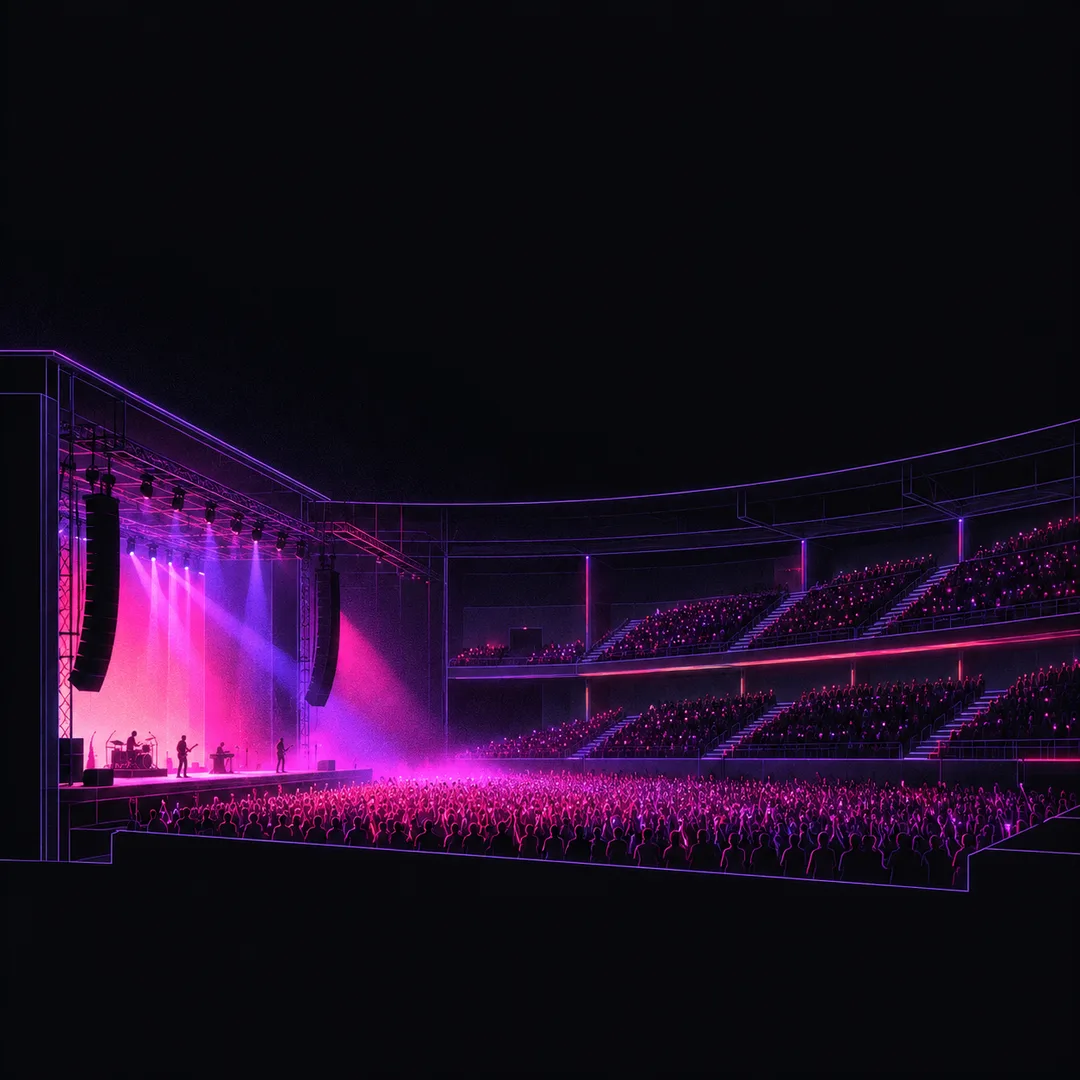
Pick a show that suits a first solo night. A band you love is the best choice, because you'll be too busy enjoying it to feel self-conscious. Smaller venues feel friendlier than arenas, and standing shows make it easier to find your own space than seated ones.
Buying one ticket is easier than buying four. For seated shows, single seats are often left over when blocks of two or more are gone, so going alone can get you a better seat, not a worse one.
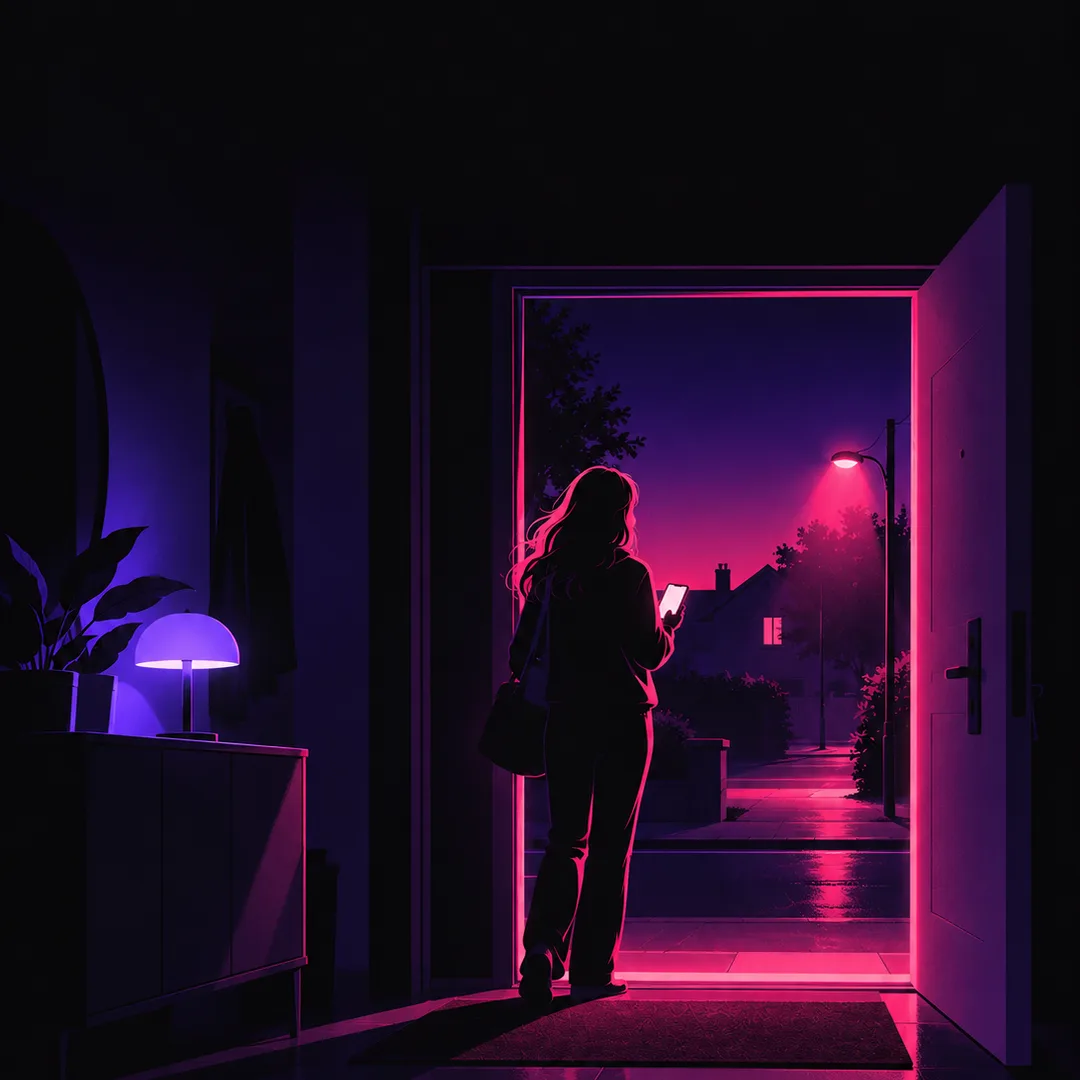
Plan the trip home before you go. Check when the last train or bus leaves, or how you'll get a taxi when everyone else is leaving at once. Knowing it's sorted means you can stay for the encore.
Tell someone where you'll be. Send a friend the venue, the time you expect to leave and how you're getting home. On OutTwo you can share your plan as a private link that works even if they don't have the app.
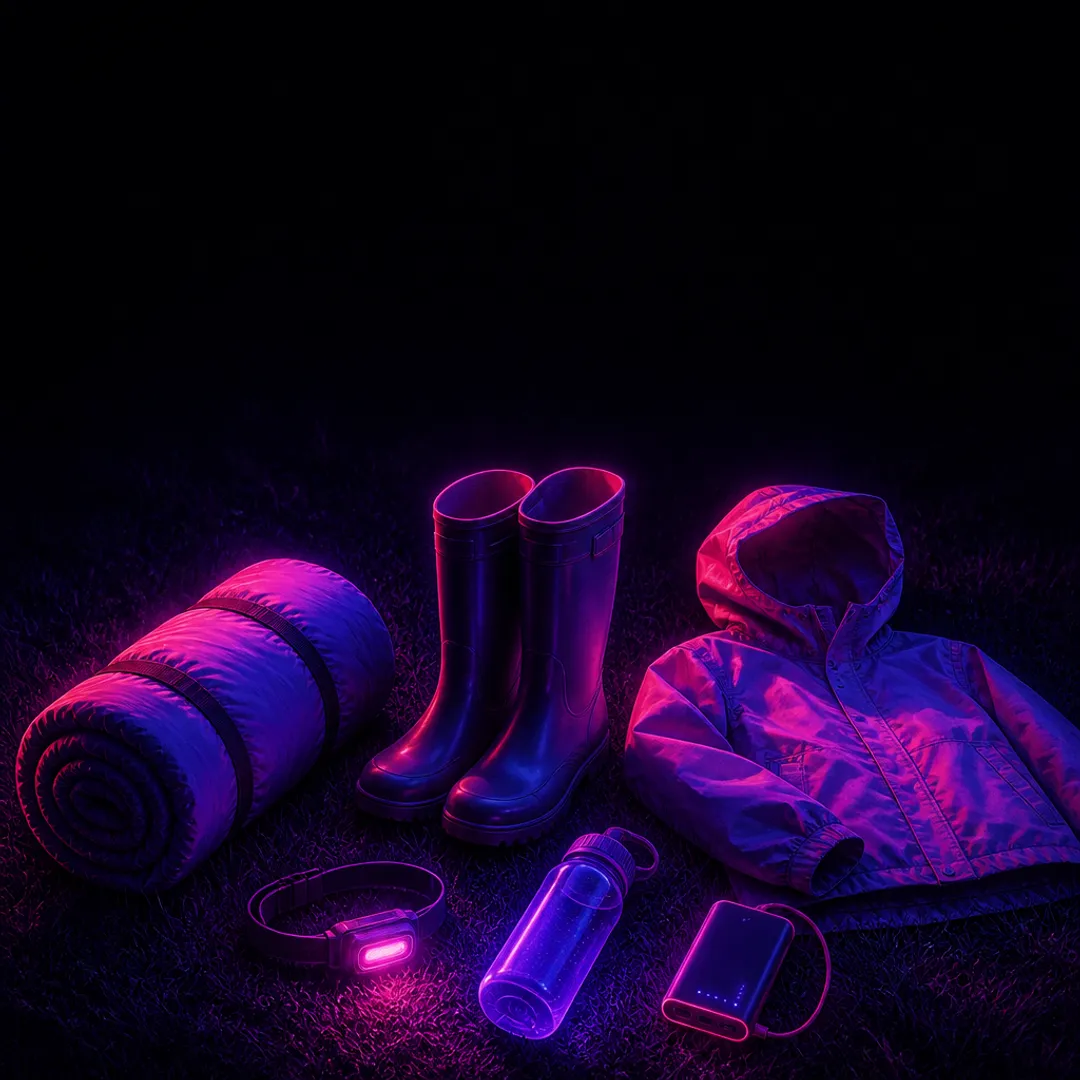
Pack light. Phone charged (and a small power bank), your ticket saved offline in case the venue signal is bad, ID, a card, and earplugs. Musician's earplugs cut the volume without making the band sound muffled, and your ears will thank you the next morning.
At the venue
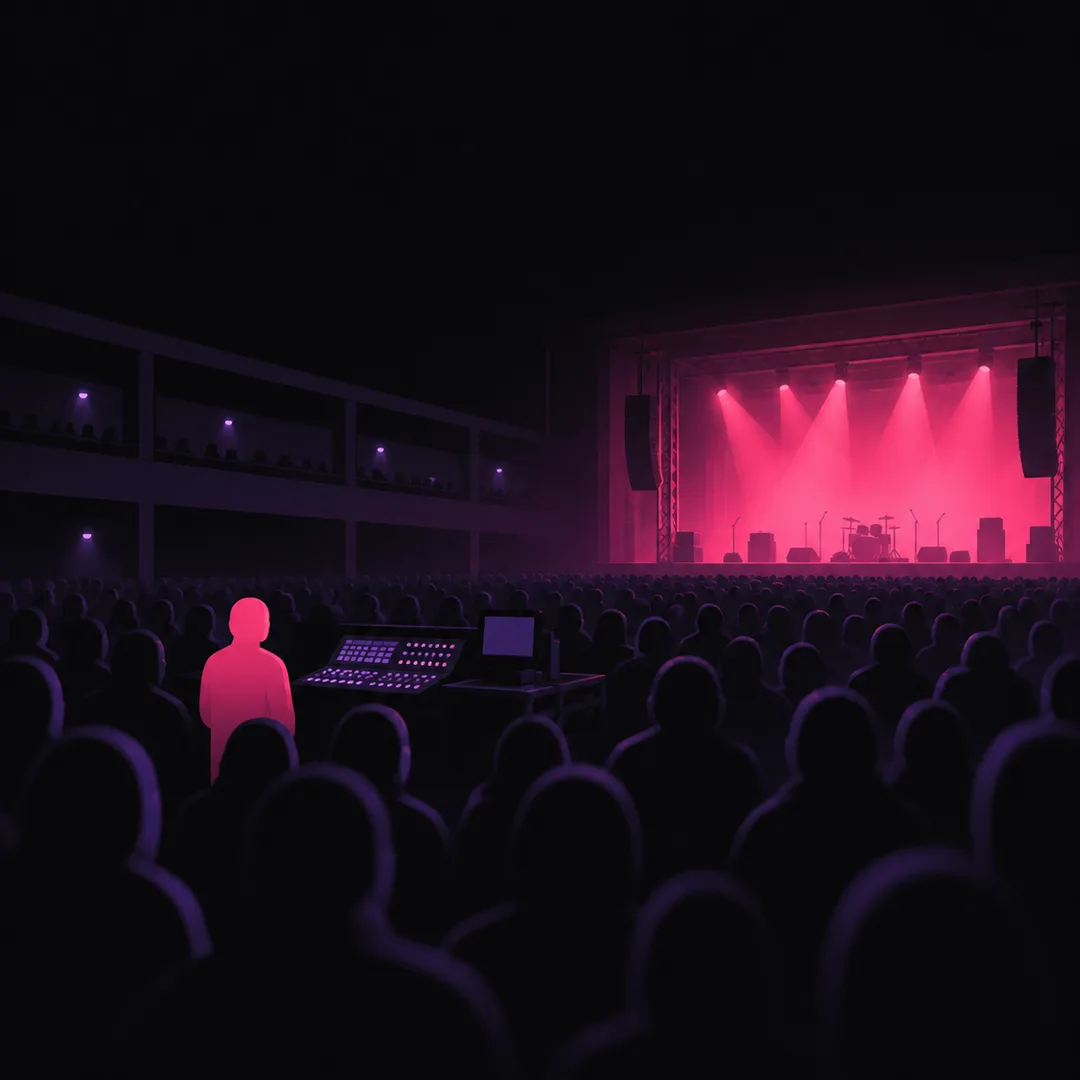
Arrive for the support act. The room is emptier, it's easier to choose where you stand, and you might find a new favourite band. It also means you're settled in before the crowd arrives, rather than squeezing in alone at the last minute.
Know where to stand. The area around the sound desk is where the engineer mixes the show, so it's usually where it sounds best. Near the front is louder and more intense; the edges and the back are calmer, with easy access to the bar and the toilets.
Have something to do between sets. Queue for merch, get a drink, read about the band. The gap between acts is the only part of the night that can feel long on your own, and it passes quickly when you're doing something.
Talking to people (if you want to)

You don't have to talk to anyone; plenty of people go alone simply to watch the band. But if you'd like company, a gig is one of the easiest places to start a conversation, because you already know what you have in common.
Some openers that always work: "Have you seen them before?", "What are you hoping they play?", "Do you know the support band?", or a compliment on someone's band shirt. The merch queue and the bar are the natural places for it, and the gap between the support act and the headliner is the natural time.
If a conversation doesn't take off, that's fine. The band is about to come on anyway.
And if someone talks to you, it's fine to keep it short too. A chat in the queue doesn't mean you have to spend the gig together; "enjoy the show" is a perfectly friendly goodbye.
During the show
Let yourself get lost in it. Without anyone to check on, you can sing every word, dance like nobody's watching, or stand perfectly still and just listen. That's the point.
Film a song, not the set. A clip of your favourite song is a great memory; the whole gig through a screen isn't. Keep your phone low so the people behind you can see, and put it away for the songs that matter most.
Look after your space. If it gets too crowded or hot near the front, step back or to the side for a few songs. Nobody is waiting for you to come back, so you can move whenever you want, which is one of the best things about going alone.
Staying safe
Going alone is no more dangerous than going with friends, but a few habits help:
Keep your drink with you and don't accept one you didn't see poured. Find the staff and the exits when you arrive, so you know where to go if you need help. Keep your phone charged for the trip home.
Know the codeword. Many bars and nightlife venues in the UK, and in a growing list of other countries, run Ask for Angela: if you feel unsafe, you ask the staff for "Angela" and they'll discreetly help you, whether that's a safe exit, a taxi, or getting someone away from you. Look for the posters in the toilets.
Meeting someone new? If you've arranged to meet someone you only know online, meet inside the venue or somewhere busy, and make your own way there and back.
Festivals on your own
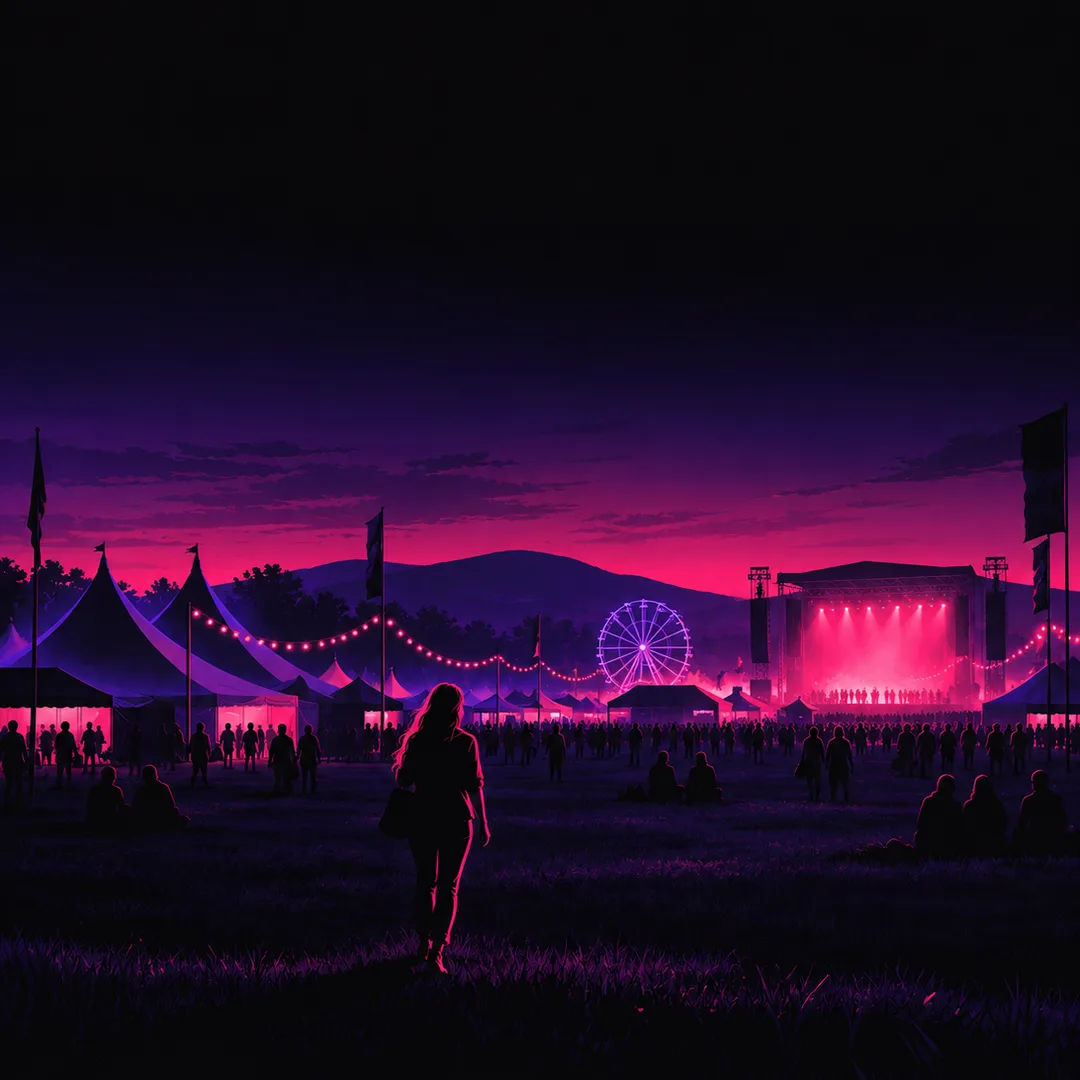
Festivals are even easier alone than gigs. Everyone moves between stages all day, so being on your own doesn't stand out, and you get to build the exact line-up you want without compromise. Pick a meeting point you'll recognise in the dark (useful if you meet people), keep your phone charged, and remember that campsites are some of the friendliest places on earth: people share everything from gas canisters to setlist predictions. Our guide to your first festival covers the rest.
After the show
Don't rush out with everyone else. Waiting a few minutes inside, or grabbing a drink nearby, means no crush at the exit and an easier trip home. Head home the way you planned, and send a quick message to whoever knows where you are.
Write it down. The setlist, the song that got you, the person you talked to in the queue: it blurs faster than you think. Logging the show in a gig diary turns a night out into a memory you can find again years later.
Going to a gig alone: FAQ
Is it weird to go to a concert alone? No. On any given night there are people on their own in the crowd, and nobody notices or cares. Most people are watching the band, not the audience.
Is it safe? Going alone is no more dangerous than going with friends if you plan the trip home, keep your drink with you, and know where the staff are. See the safety section above.
What if I don't enjoy it? You can leave whenever you like, with nobody to persuade, and next time you'll know exactly what to expect.
Seated or standing: which is easier alone? Standing shows let you choose your spot and move around; seated shows mean a guaranteed view and a place to sit between bands. Both are easy on your own, so pick whichever you'd enjoy more.
How do I meet people at a gig? Start in the queues, at the merch stand or at the bar before the headliner, and ask about the band. Or find people going to the same show on OutTwo before the night.
If you'd rather not go completely alone
Going solo doesn't have to mean being alone all night. On OutTwo you can see who else is going to the same show, mark that you're looking for a +1, add each other as gig buddies to chat before the night, and check in when you arrive to see who's in the room. Some people want a gig buddy for one show; some end up with a friend for every tour.
Find your +1 for the next show
See who's going to the gigs you want to see, and never stand at the back alone unless you want to.
Join OutTwo freeSources
- Ask for Angela: Wikipedia, “Ask for Angela” and the sources it cites